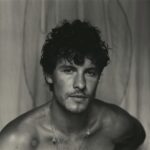
Beyond the Bling: The Enduring Legacy of Liberace
May 16, 1919 – February 4, 1987
Władziu Valentino Liberace was an American pianist, singer and actor. He was born in Wisconsin to parents of Italian and Polish origin and enjoyed a career spanning four decades of concerts, recordings, television, motion pictures and endorsements
When you think of Liberace, images of dazzling costumes, glittering pianos, and a flamboyant showman undoubtedly come to mind. But behind the rhinestones and candelabras was a prodigious musical talent and a shrewd businessman who carved out an unparalleled niche in entertainment history. Let’s take a closer look at the life and extraordinary career of “Mr. Showmanship.”
Liberace, a flamboyant pianist, vehemently denied rumors of his homosexuality throughout his career, even taking legal action against publications that suggested otherwise. He publicly maintained his heterosexuality and engaged in relationships with women, including a publicized engagement. However, his lavish lifestyle and public persona, often described as camp, fueled speculation about his sexuality. He sued the Daily Mirror for libel in 1957 after the newspaper hinted at his homosexuality. He also faced a palimony lawsuit from Scott Thorson, his former live-in companion, which further intensified scrutiny of his personal life. Despite his denials, many viewed Liberace as a gay icon, particularly after his death in 1987, which was attributed to AIDS, though he kept his diagnosis secret until his death.
A Life in Lights: Liberace’s Timeline
Early Life & Musical Roots (1919-1930s)
-
1919: Born Wladziu Valentino Liberace on May 16, in West Allis, Wisconsin, to a Polish-Italian family. He was born with a caul, seen by his family as a sign of future greatness.
-
Age 4: Began playing the piano by ear, displaying an innate talent.
-
Age 7: Could memorize complex musical pieces.
-
Age 8: Met his idol and future mentor, Polish pianist Ignacy Jan Paderewski, backstage after a concert.
-
1933: Began a 17-year scholarship with the Wisconsin College of Music, studying under Florence Bettray-Kelly.
-
1934: Started playing jazz piano with a school group called “The Mixers,” and later performed in various venues, including cabarets and strip clubs, under the stage name “Walter Busterkeys” to earn money during the Great Depression.
-
Age 13: Performed as a soloist with the Milwaukee Symphony.
-
Age 16: Performed as a soloist with the Chicago Symphony Orchestra.
-
1939: Made his classical debut with the Chicago Symphony. Later that year, he famously played a popular tune, “Three Little Fishes,” in a classical style as an encore, an act that would define his future showmanship.

Rise to Stardom & “Mr. Showmanship” (1940s-1970s)
-
1940: Moved to New York, performing as an intermission pianist at venues like the Waldorf-Astoria.
-
Mid-1940s: Began to blend classical music with popular tunes, incorporating audience interaction, jokes, and his trademark candelabra into his act.
-
1945: Formed a supper-club act with his violinist brother, George, touring nationally.
-
1950: Made his film debut as a honky-tonk pianist in South Sea Sinner.
-
1951: The Liberace Show first aired in Los Angeles, quickly becoming a local hit.
-
1952: His national television series, The Liberace Show, debuted, making him a household name and one of the most popular shows on television, at times rivaling I Love Lucy.
-
1953: Sold out Carnegie Hall.
-
1954: Successfully performed at Madison Square Garden.
-
1955: Starred in the film Sincerely Yours. At the height of his fame, he became the highest-paid entertainer in the world, earning $300,000 a week in Las Vegas. He also won a libel suit against Confidential magazine for insinuating he was homosexual.
-
1957: Successfully sued the Daily Mirror newspaper for similar insinuations.
-
1960s-1970s: Continued to perform extensively, particularly in Las Vegas, further developing his extravagant costumes and stage productions. He made guest appearances on popular TV shows like Batman (1966), Kojak (1978), and The Muppet Show (1978).
-
1976: Founded the non-profit Liberace Foundation for the Performing and Creative Arts, dedicated to providing scholarships for aspiring artists.
-
1977: Scott Thorson, his live-in “on-stage chauffeur” and companion, moved into Liberace’s mansion.
-
1979: Opened The Liberace Museum in Las Vegas, showcasing his iconic costumes, pianos, and automobiles.
Later Years & Legacy (1980s-1987)
-
1982: Thorson filed a highly publicised palimony lawsuit against Liberace, which was settled out of court.
-
1984: Broke sales and attendance records at New York’s Radio City Music Hall.
-
1985: Was diagnosed with HIV, but kept his diagnosis a secret, fearing public rejection.
-
1986: Performed his final concerts at Radio City Music Hall from October 16 to November 2.
-
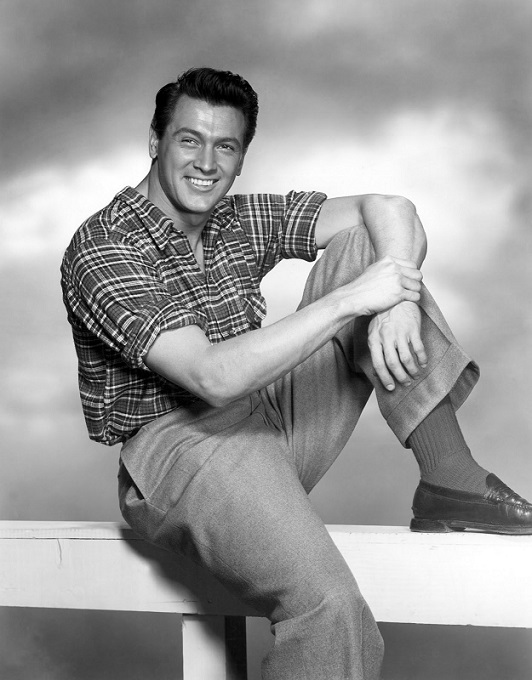
1987: Died on February 4, at age 67, in his Palm Springs home. While his doctor initially reported cardiac arrest, an autopsy ordered by the county medical examiner revealed the true cause of death as cytomegalovirus pneumonia, a result of AIDS. His death, following Rock Hudson’s two years prior, brought further public attention to the AIDS crisis.
Liberace was more than just a musician; he was a phenomenon. He embraced spectacle, transforming piano recitals into dazzling extravaganzas that captivated millions. His unique blend of classical artistry and flamboyant showmanship earned him immense popularity and cemented his place as an enduring icon of American entertainment. Though his personal life was often shrouded in secrecy, his legacy as a groundbreaking performer and a generous patron of the arts continues to shine brightly.
Despite never publicly acknowledging his homosexuality, Liberace’s flamboyant persona, glittering costumes, and over-the-top stage shows resonated deeply within the LGBTQ+ community, earning him an enduring status as a gay icon. His exaggerated camp aesthetic, a deliberate embrace of theatricality and excess, spoke to a sensibility that was often understood and appreciated by queer audiences, even as mainstream society largely remained in the dark about his private life. While he actively fought against public accusations of being gay, even winning libel lawsuits, his undeniable “open secret” allowed for a subtle yet profound subversion of prevailing norms. For many, Liberace became a symbol of living life on one’s own terms, of embracing individuality and pushing boundaries, even if it meant doing so from within a carefully constructed “glittering closet.” His death from AIDS in 1987, though initially concealed, further cemented his connection to the LGBTQ+ community and the tragic impact of the epidemic.

“Behind the Candelabra” the Movie

“Behind the Candelabra”: Unveiling the Man Behind the Glitz
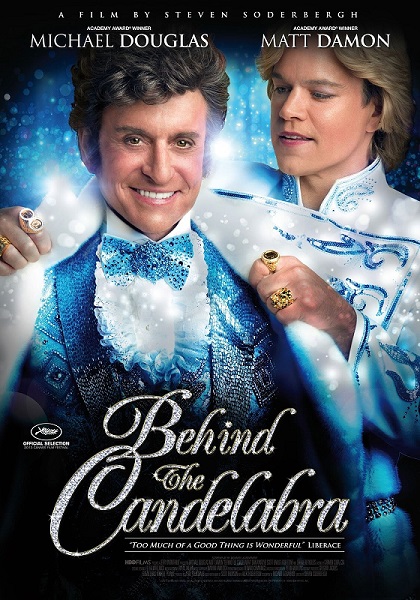
Steven Soderbergh’s 2013 biographical comedy-drama, “Behind the Candelabra,” offers a compelling and often poignant look into the private life of the legendary entertainer Liberace, focusing on his complex and tumultuous relationship with his much younger lover, Scott Thorson. Based on Thorson’s 1988 memoir, the film peels back the layers of Liberace’s flamboyant public persona to reveal the vulnerabilities and complexities of his final decade.
The Story Unveiled:
The film begins in 1977, introducing us to an 18-year-old Scott Thorson (Matt Damon), an animal trainer who, through a chance encounter, is introduced to Liberace (Michael Douglas). Liberace is immediately captivated by Scott, and soon, Scott moves into Liberace’s lavish Las Vegas mansion, becoming his personal assistant, stage chauffeur, and secret lover. The narrative beautifully portrays the initial whirlwind romance, the opulence of Liberace’s world, and his attempts to mold Scott into his ideal companion, even going so far as to suggest plastic surgery to make Scott resemble a younger version of himself. However, as the years progress, their relationship is strained by Scott’s increasing drug use and Liberace’s wandering eye, eventually leading to a dramatic breakup and a highly publicized palimony lawsuit filed by Thorson. The film culminates with Liberace’s declining health due to AIDS, his final, touching reunion with Scott, and a poignant imagined last performance.
A Star-Studded Cast and Critical Acclaim:
The film boasts an exceptional cast, with Michael Douglas delivering an Emmy and Golden Globe-winning performance as Liberace, perfectly capturing his charm, eccentricity, and underlying sadness. Matt Damon is equally compelling as Scott Thorson, portraying his journey from naive young lover to a man struggling with addiction and heartbreak. Supporting performances from Dan Aykroyd as Liberace’s manager Seymour Heller, Rob Lowe as the unsettling Dr. Jack Startz, and Debbie Reynolds as Liberace’s mother, Frances, further enrich the narrative.
“Behind the Candelabra” was widely praised by critics for its unflinching honesty, compelling performances, and Soderbergh’s masterful direction. It holds an impressive 94% approval rating on Rotten Tomatoes, with critics commending its affectionate yet honest portrayal of the relationship. Despite initial struggles to secure Hollywood funding due to its “too gay” theme, HBO Films championed the project, and its television premiere drew significant viewership, further solidifying its critical and popular success.
Production Details and Authenticity:
Filmed in 2012, “Behind the Candelabra” was Steven Soderbergh’s last directorial effort for a period before his brief retirement from feature films. The attention to detail in recreating Liberace’s extravagant world is remarkable. Real Liberace pianos were used in the production, and Michael Douglas’s head was even digitally composited onto the body of concert pianist Philip Fortenberry for the intricate piano playing scenes, ensuring authenticity. Filming locations included actual mansions reminiscent of Liberace’s opulent homes, such as Zsa Zsa Gabor’s former residence and Siegfried & Roy’s mansion.
“Behind the Candelabra” is not just a biopic; it’s a deeply human story about love, identity, and the price of fame, brought to life by exceptional talent and a commitment to detail. It stands as a powerful testament to Liberace’s complex legacy and the enduring impact of his private world.